
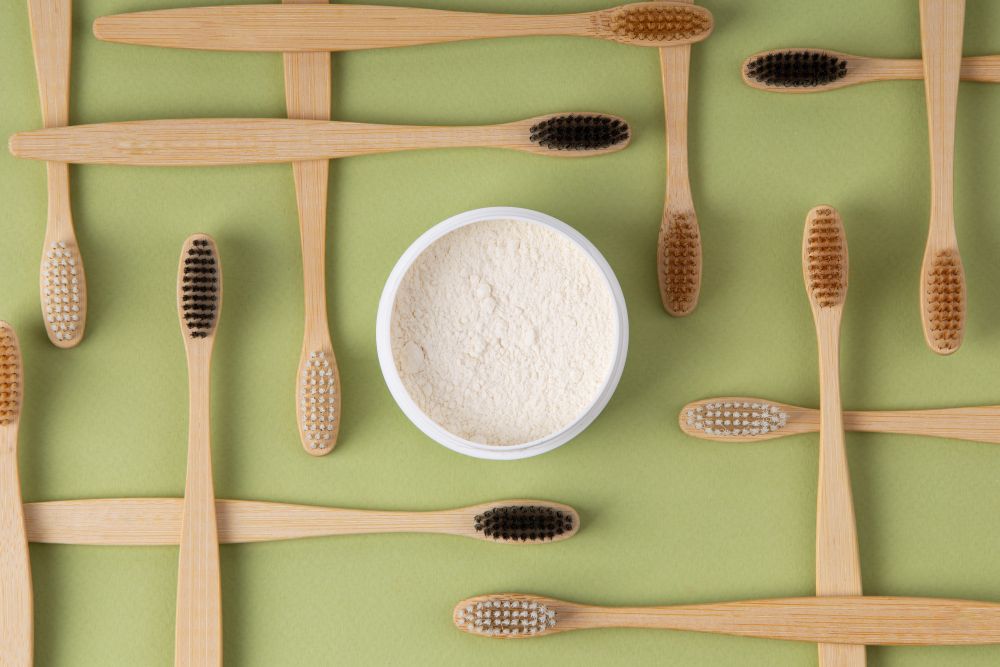
Oral care has come a long way, but our fascination with natural tooth cleaning is nothing new. In recent years, there’s been a noticeable shift away from fluoride-loaded, artificial-ingredient toothpastes toward more natural, eco-conscious alternatives like tooth powder. From zero-waste packaging to holistic ingredients, modern consumers are reclaiming ancient wisdom—often with a tech-savvy twist.
But what’s the real story behind tooth powder? How did people thousands of years ago care for their teeth? And how does today’s natural tooth powder—like maxodo’s advanced formula—embody both heritage and innovation?
Let’s take a time-traveling journey through the tooth powder history, from ancient civilizations to 21st-century breakthroughs.
Ⅰ. Rediscovering the Roots of Natural Oral Care
As the demand for fluoride-free, environmentally friendly oral products grows, tooth powder has made a powerful comeback. Its benefits are increasingly recognized: non-abrasive whitening, natural ingredients, and minimal packaging waste. But long before the green beauty movement began, ancient people had already developed remarkably sophisticated ways to clean their teeth.
This blog will trace the evolution of tooth powder—from early herbal mixes to DIY historical tooth powder recipes—while introducing Maxodo, a brand that blends ancient traditions with cutting-edge science for a truly modern oral care solution.
Ⅱ. The Birth of Tooth Powder: Ancient Civilizations
1. Ancient Egypt (~5000 BCE): Salt, Shells, and Aromatics
Among the first recorded instances of natural tooth cleaning, ancient Egyptians used a blend of:
- Salt
- Pepper
- Mint
- Ox hooves or bird claws (ground into powder)
These ingredients worked together to kill bacteria, scrub plaque, and freshen breath. Egyptians applied the powder using their fingers or small twigs.
Though rudimentary, the formula had real antibacterial properties. Salt and mint are still used today in many natural tooth powders for their proven oral health benefits.
2. Ancient Greece & Rome: From Crushed Bones to Charcoal
The Greeks and Romans refined the concept by introducing:
- Calcium carbonate (from crushed shells or bones)
- Charcoal (from aromatic woods or incense)
- Dried herbs and spices
- Wine or vinegar extracts for flavor and disinfection
Interestingly, blackened teeth were a symbol of wealth among Roman elites—so charcoal-based tooth powder became a status product.
These early formulas align with modern blends that use activated charcoal for stain removal and whitening—showing that history really does repeat itself in the best way.
III. China’s Herbal Tooth Powder Tradition
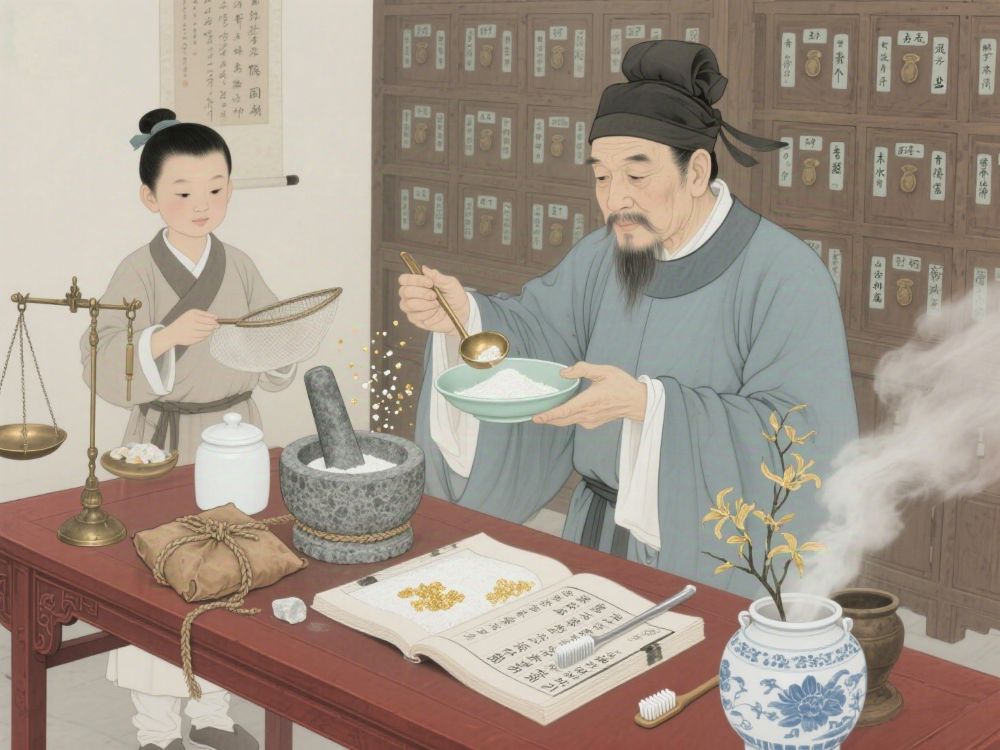
1. Tang & Song Dynasties: Traditional Chinese Medicine (TCM) Oral Care
In China, the idea of medicinal oral care took center stage. As described in the famous Compendium of Materia Medica, tooth powders were crafted with herbal ingredients such as:
- Gastrodia : anti-inflammatory
- Ligusticum root and Asarum: antibacterial
- Mint and Borneol: to freshen breath and prevent bleeding
These ingredients were carefully mixed into powders like “White Tooth Powder” or “Fragrant Mouth Powder” —intended to reduce inflammation, prevent cavities, and promote oral hygiene.
2. Ming–Qing Folk Recipes: From Salt to Tea Ash
Beyond royal courts, everyday people relied on accessible materials for dental care:
- Ground tea leaves: mild abrasives with tannins
- Bamboo charcoal or wood ash: natural cleansing agents
- Borax and rock salt: to whiten and disinfect
Such DIY formulas still inspire DIY historical tooth powder trends today. Many health-conscious users recreate these recipes for a more holistic oral experience.
IV. Industrial Revolution: Oral Care Enters the Marketplace
1. 18th-Century Britain: Commercial Products Emerge
The 1700s brought significant changes to Western hygiene habits. In England, the first commercial tooth powders emerged, typically made from:
-
Calcium carbonate (chalk)
-
Crushed bones or oyster shells
-
Spices and essential oils for flavor and freshness
These early products were packaged in tin or ceramic containers and marketed to affluent households. Some even gained endorsements from dentists, who began promoting brushing as a vital part of daily health.
This period marked the beginning of commodified oral care, laying the groundwork for brushing to become a regular household ritual.
2. The Rise of Toothpaste and a Shift in Preferences
By the late 19th century, toothpaste began gaining popularity thanks to its glycerin-based, creamy texture, offering a moist and convenient alternative. Although the powdered form never vanished entirely, it came to be viewed as old-fashioned and fell out of mainstream use.
In recent years, however, interest has returned. Environmentally conscious consumers now embrace it as a retro-modern choice—effective, economical, and aligned with sustainable living.
Ⅴ. The Modern Revival: Eco-Conscious Innovation in Tooth Powder
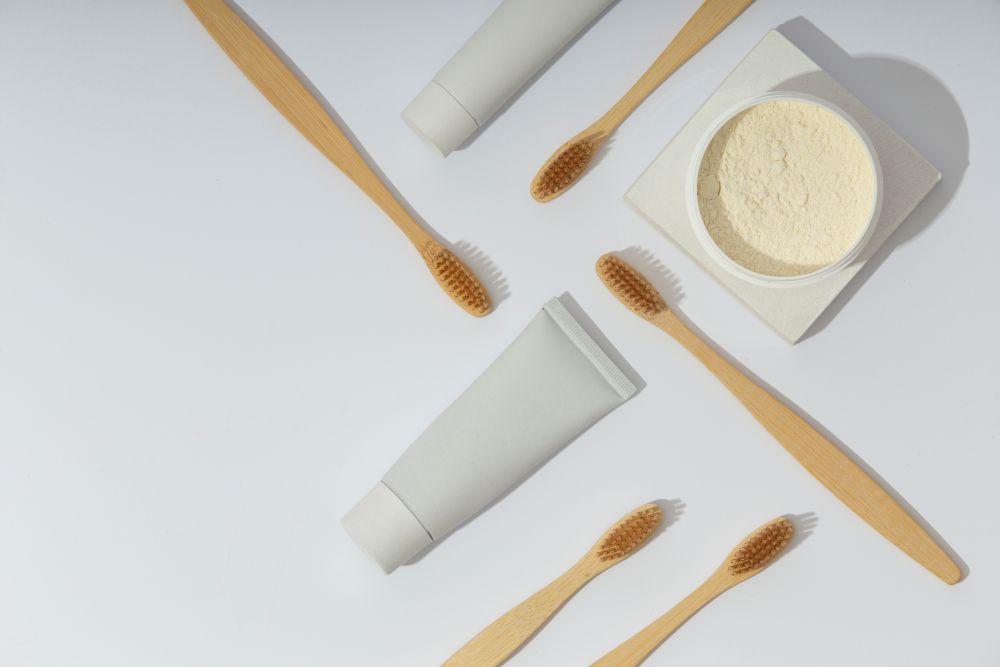
1. Why Natural Tooth Powder Is Back in Style
Driven by concerns about:
- Plastic waste
- Fluoride sensitivity
- Synthetic ingredients
Many consumers now seek alternatives to traditional toothpaste. Enter the new generation of natural tooth powders, featuring:
- Bentonite clay: detoxifying and mineral-rich
- Baking soda: gentle whitening agent
- Essential oils: antimicrobial, refreshing
- Hydroxyapatite: enamel-safe, fluoride substitute
Today’s best tooth powders deliver whitening, breath-freshening, and cavity prevention—without the harsh chemicals.
2. Innovative Formats: Sprays, Tablets, and Travel-Friendly Packs
Tech-meets-tradition innovations include:
- Tooth powder tablets: pre-portioned, mess-free, perfect for travel
- Tooth powder sprays: quick-dissolve application for on-the-go freshness
- Sustainable packaging: refillable glass jars, bamboo caps
Brands pair these with bamboo toothbrushes or eco brush heads, creating zero-waste dental kits aligned with modern values.
Ⅵ. Maxodo: Bridging Ancient Wisdom with Modern Science

Maxodo Tooth Powder is a result of studying the complete tooth powder history, then innovating for the future. It combines proven natural ingredients with advanced formulations to provide:
✔ Triple Whitening Action
Powered by PAP (Phthalimidoperoxycaproic acid), peroxide, and arginine, this blend tackles even the toughest coffee, tea, and tobacco stains—while being enamel-safe.
✔ Deep Stain Adsorption
Medical-grade activated charcoal effectively binds and removes surface residue, especially useful for high-stain diets.
✔ Enzyme-Based Plaque Breakdown
Bromelain, a natural enzyme from pineapple, gently dissolves plaque and prevents yellow buildup without abrasive scrubbing.
✔ Gum Protection
Turmeric powder helps reduce inflammation, ease gum bleeding, and maintain healthy tissues—bringing the benefits of ancient oral care into the present.
✔ Anti-Bacterial and Freshness Control
Sodium phytate fights bacterial growth and minimizes tartar accumulation, keeping your breath clean and your smile brighter.
✔ Ultra-Fine Powder, Safe for Sensitive Teeth
At 800 mesh fineness, Maxodo’s powder dissolves instantly, ensuring comfort for sensitive users and preserving enamel.
✔ Flexible Usage
Use with or without water—wet brush, dip, and go. Ideal for daily brushing or as an occasional polish boost alongside regular toothpaste.
VII. Conclusion: Tooth Powder as a Bridge Through Time
Tooth powder is more than just a product—it’s a story. A connection between ancient human ingenuity and our current drive for sustainable, effective oral care.
By exploring natural tooth cleaning methods from Egypt to China, from crushed shells to botanical blends, we rediscover not only forgotten techniques but also timeless wisdom. Today, brands like Maxodo make it possible to experience this heritage in your own routine—refined, tested, and ready for the modern world.
Try Maxodo Tooth Powder today and experience what centuries of oral care evolution can do for your smile.

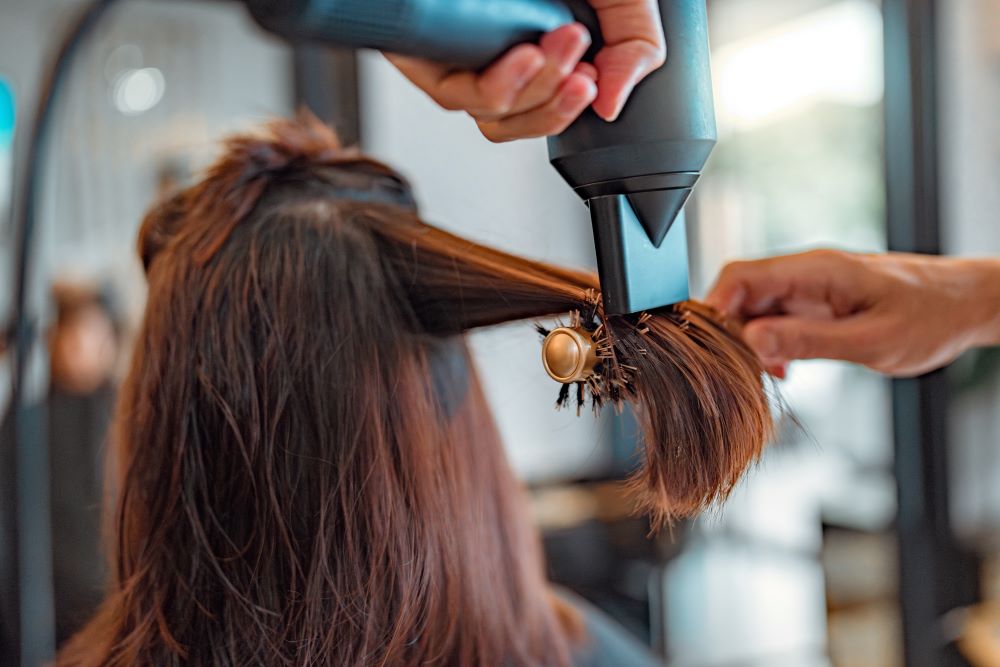
Ultimate Guide to Using a Hair Dryer with Nozzle for Styling
Discover the benefits of using a hair dryer with nozzle for faster drying, frizz reduction, and salon-quality styling at home.
Read More
The Benefits of Using a Hair Dryer with a Diffuser
Discover how a diffuser hair dryer reduces frizz, protects hair, defines curls, and adds volume for healthier, natural styling.
Read More
Ultimate Hair Dryer Guide for Every Life Scenario
Find the perfect hair dryer for travel, gym, salon, or home. Maxodo offers fast-dry, quiet, and versatile all-in-one solutions.
Read More