
1. The New Role of Hair Dryers in Hair Care
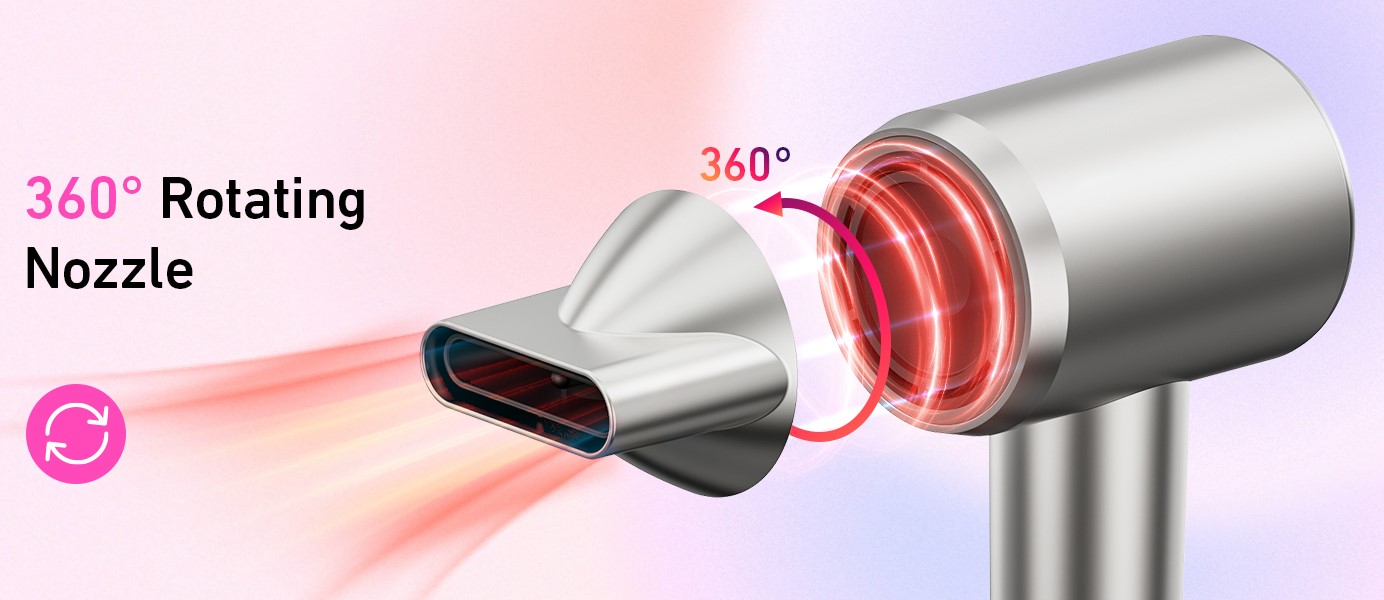
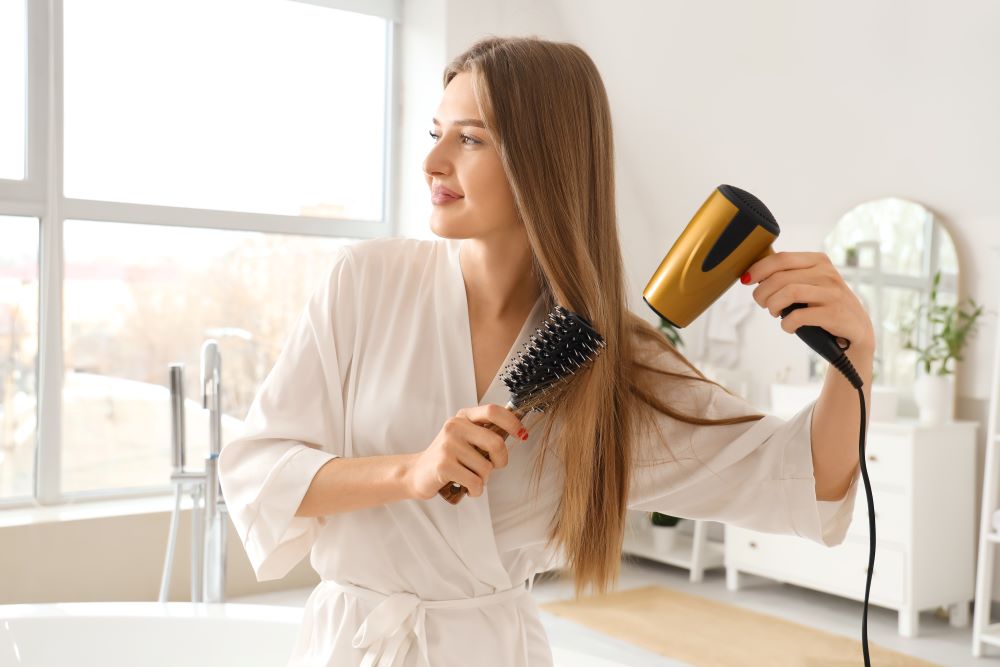
Hair dryers have evolved from being purely quick-drying tools to becoming essential hair care devices. Modern models offer advanced features that allow you to style while protecting your strands. With temperature regulation technology, negative ion output, and specialized airflow attachments, today’s dryers help you maintain healthier hair while achieving salon-quality results at home.
The science of blow-drying shows that controlled heat and airflow can smooth the cuticle layer, reduce tangling, and improve hair’s natural shine. But using the wrong method — excessive heat, poor airflow direction, or mismatched attachments — can cause moisture loss, cuticle lifting, and keratin damage.
In this article, you’ll learn five comprehensive hair care techniques that will help you:
Select the best blow dryer for your hair type
Reduce frizz and static during styling
Avoid overheating your hair shaft
Mimic professional salon blowouts at home
Balance heat and cool air for optimal results
2. Choosing the Right Hair Dryer for Different Hair Types
Why Dryer Choice Matters
Every hair type responds differently to heat and airflow. Fine hair can lose volume quickly if over-dried, while coarse hair may require more power to dry evenly. Using the wrong dryer can lead to increased split ends, weakened hair structure, and style frustration.
Fine Hair
Characteristics: Thin in diameter, often lacks body, more prone to heat damage.
Best Dryer Features:
Low-heat + high-airflow mode to dry quickly without overheating
Constant temperature control to avoid hot spots
Diffuser attachment for gentle drying
Care Tips: Always start with a heat protectant spray before blow-drying. Avoid direct high heat at the roots, as it can flatten volume and weaken the follicles.
Thick or Coarse Hair
Characteristics: Dense strands, takes longer to dry, tends to be frizz-prone.
Best Dryer Features:
High wattage motor (1800W+) for efficient drying
Negative ion technology to smooth the cuticle
Concentrator nozzle for targeted airflow
Care Tips: Begin drying with medium heat and a concentrator to remove moisture, then finish with cool air to seal the cuticle and enhance shine.
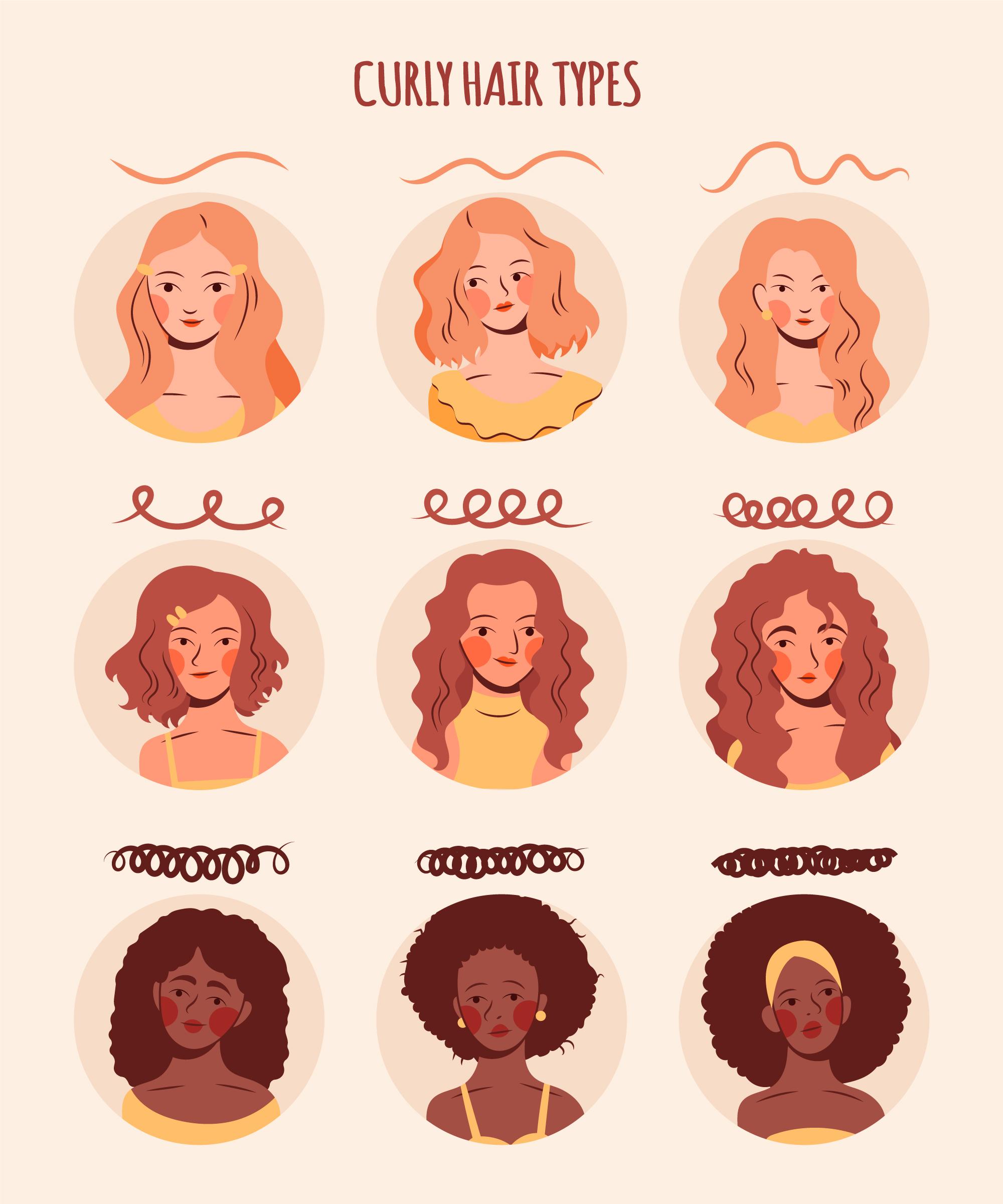
Curly or Wavy Hair
Characteristics: Prone to dryness, frizz, and loss of curl definition.
Best Dryer Features:
Diffuser attachment to distribute airflow evenly
Temperature-controlled airflow to prevent curl shrinkage
High ionic output for frizz reduction
Care Tips: Apply a curl-defining cream before drying. Keep the diffuser close but avoid touching curls excessively to preserve their shape.
Hair Type & Dryer Feature Comparison Table
| Hair Type | Recommended Wattage | Temperature Control | Attachment | Airflow Level |
| Fine Hair | 1200–1400W | Constant Temp Tech | Diffuser | High airflow |
| Thick Hair | 1800–2000W | Adjustable Heat | Concentrator | Medium airflow |
| Curly Hair | 1400–1600W | Ionic + Temp Control | Diffuser | Low–Medium airflow |
3. More Important Than Conditioner: Blow-Drying for Healthy Hair
Many people focus on choosing the best conditioner but overlook the damage caused by improper drying techniques. Wet hair is more elastic and vulnerable, so the way you remove moisture affects its long-term health.
Step-by-Step Healthy Blow-Drying Method
Blot, Don’t Rub: Use a microfiber towel to gently press out water. Aggressive rubbing causes cuticle abrasion.
Detangle Gently: Use a wide-tooth comb to remove knots before blow-drying.
Dry Roots First: Roots take longer to dry and give your hair structure.
Switch to Lower Heat: Once hair is 80% dry, switch to cool or low heat to avoid overdrying.
Maintain Distance: Keep the dryer 15–20cm from hair to distribute heat evenly.
Use Ionic Technology: Negative ions help neutralize static and close the cuticle for smoothness.
Why Ionic Technology Matters
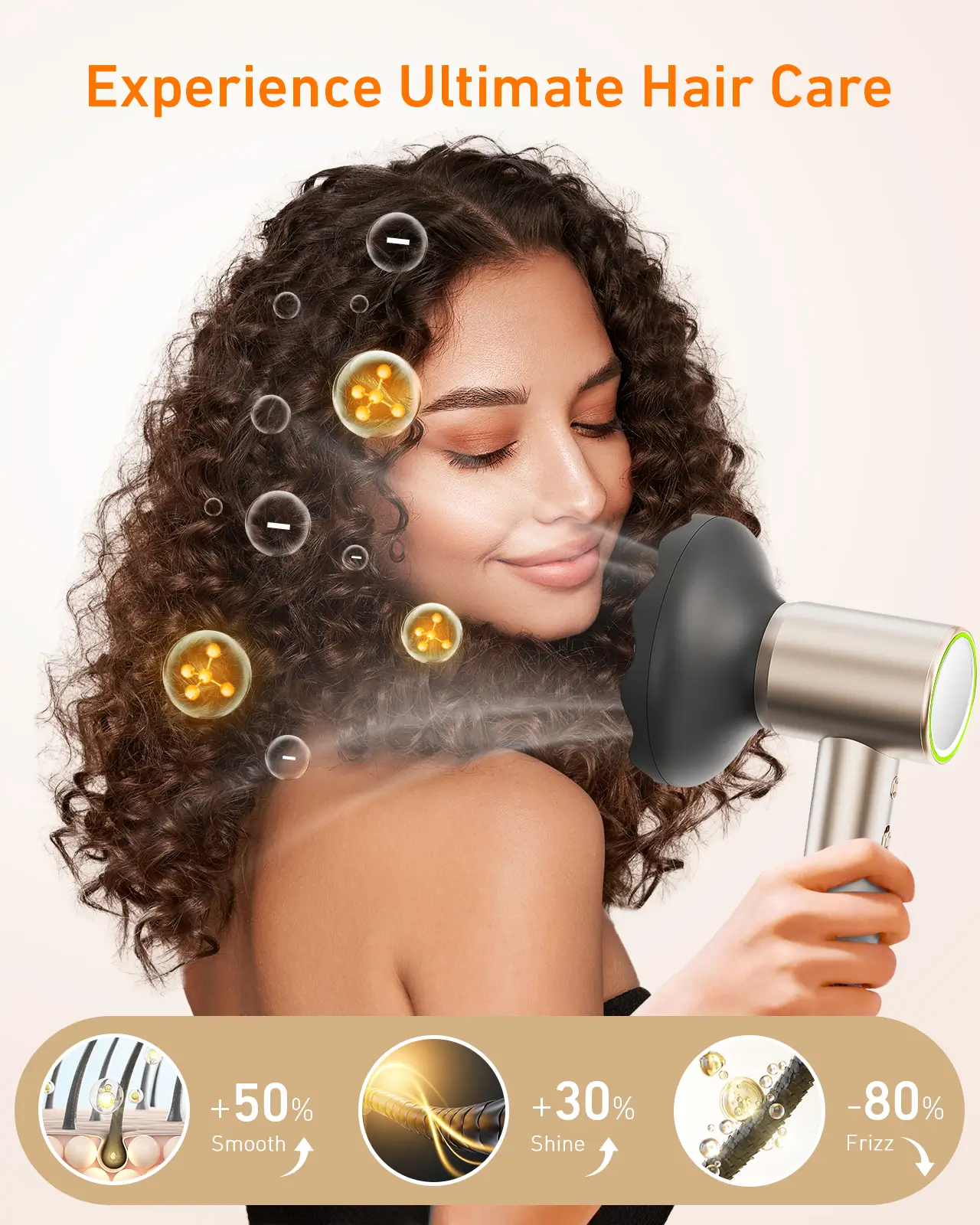
Ionic dryers work by emitting negatively charged ions that break down water molecules faster. This allows hair to dry quicker, reducing the time it’s exposed to heat. Ionic drying also helps smooth frizz, increase shine, and prevent static build-up.
4. Nighttime vs. Morning Blow-Drying — Which is Better?
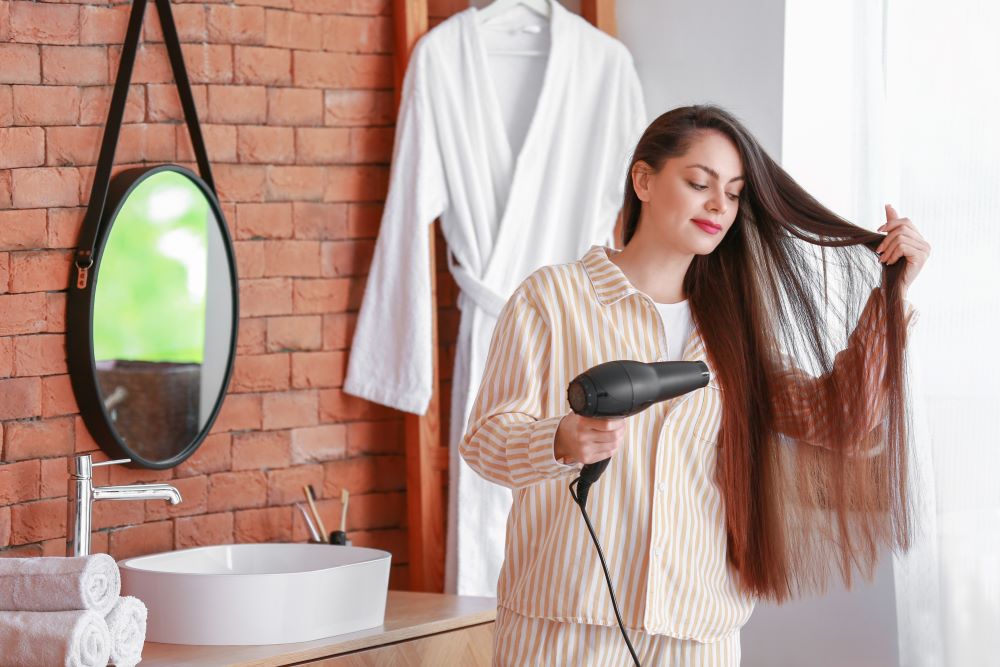
Nighttime Blow-Drying
Pros:
Prevents scalp bacteria growth from sleeping on damp hair
Reduces morning styling time
Cons:
If hair isn’t fully dry, moisture can cause scalp irritation
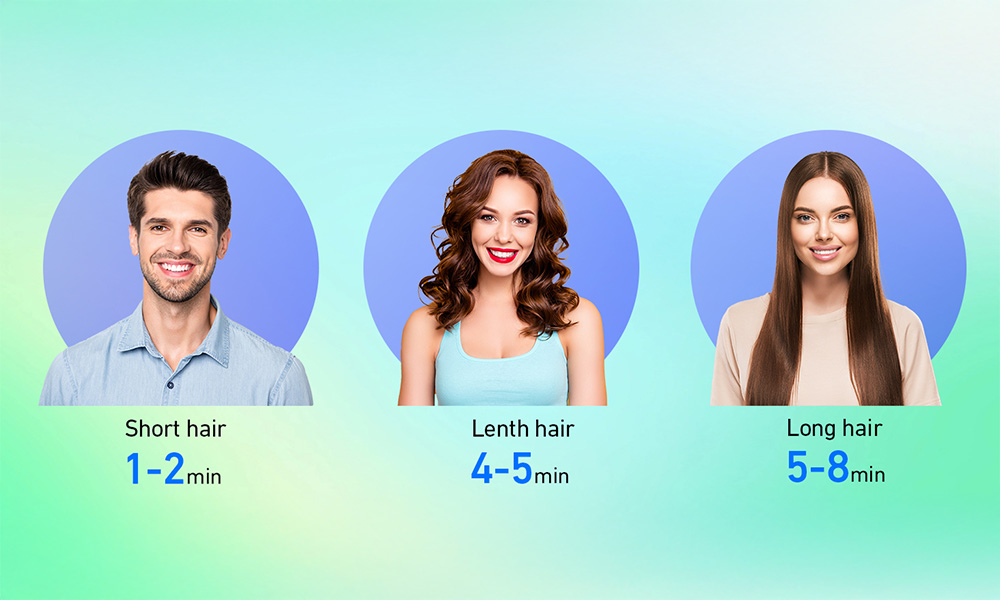
Best For: Long or thick hair that requires more drying time.
Morning Blow-Drying
Pros:
Freshly styled hair lasts longer throughout the day
Boosts root lift for fine hair
Cons:
Time constraints may cause incomplete drying
Best For: Short hair or styles that need a daily refresh.
Pro Tip: For fine, limp hair, a quick morning blow-dry can create volume. For dense, textured hair, nighttime drying prevents overheating during rushed mornings.
5. Salon Techniques You Can Use at Home

Why Salon Blowouts Last Longer
Professional stylists use sectioning techniques, nozzle control, and precise heat settings. You can achieve similar results at home with the right approach.
Professional Blowout Steps for Home
Section Hair into 4–6 Parts: Prevents uneven drying.
Start with Roots: Direct airflow from roots to ends to keep the cuticle smooth.
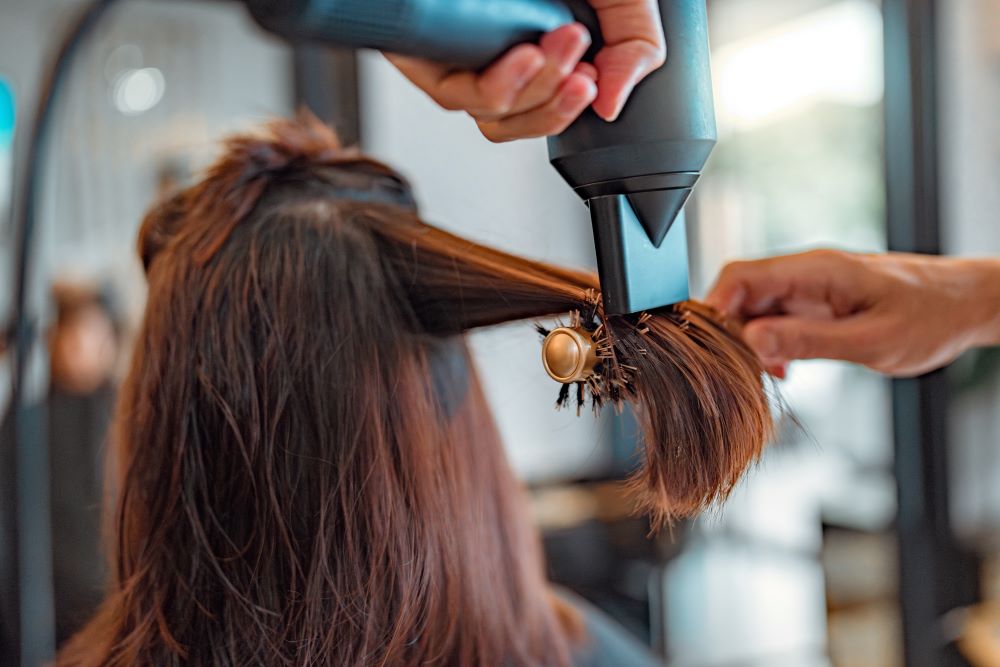
Brush Choice Matters: Round brushes add lift; paddle brushes smooth hair.
Cool to Lock: Finish each section with cool air to set the style.
Common Blow-Drying Mistakes
Using high heat for the entire session
Skipping heat protectants
Holding the dryer too close to hair
Avoiding these will improve your hair’s long-term health.
6. Hot Air vs. Cold Air — Finding the Right Balance
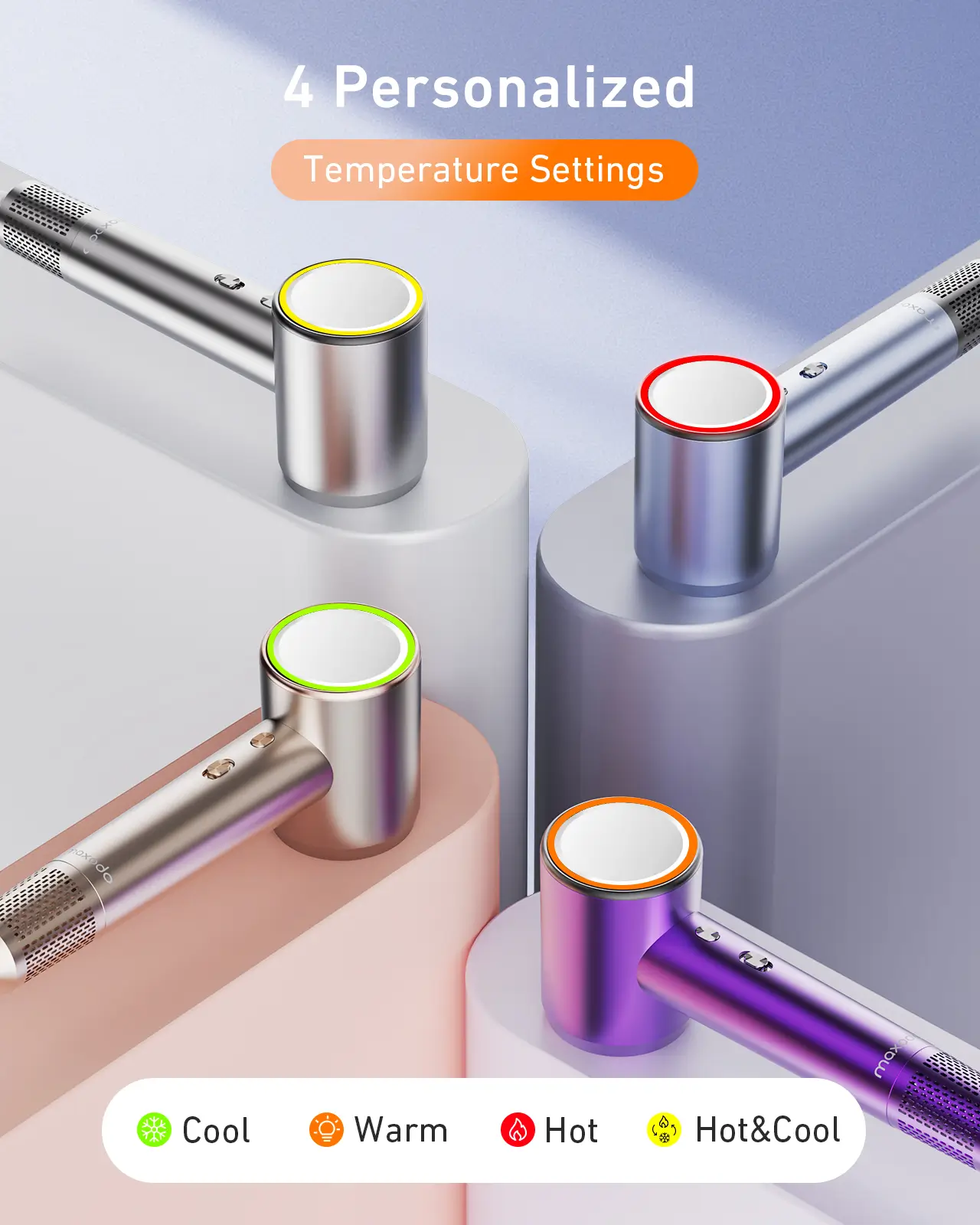
Hot Air Benefits & Risks
Pros: Faster evaporation, better initial styling control
Cons: Can damage keratin and strip natural oils if overused
Cold Air Benefits
Seals the cuticle
Reduces frizz
Locks in style
Best Practice: Alternate between hot and cold air during the drying process. Use hot air at the start to remove moisture, then cold air to finish and protect.
7. Brand Story & Product Introduction — Maxodo
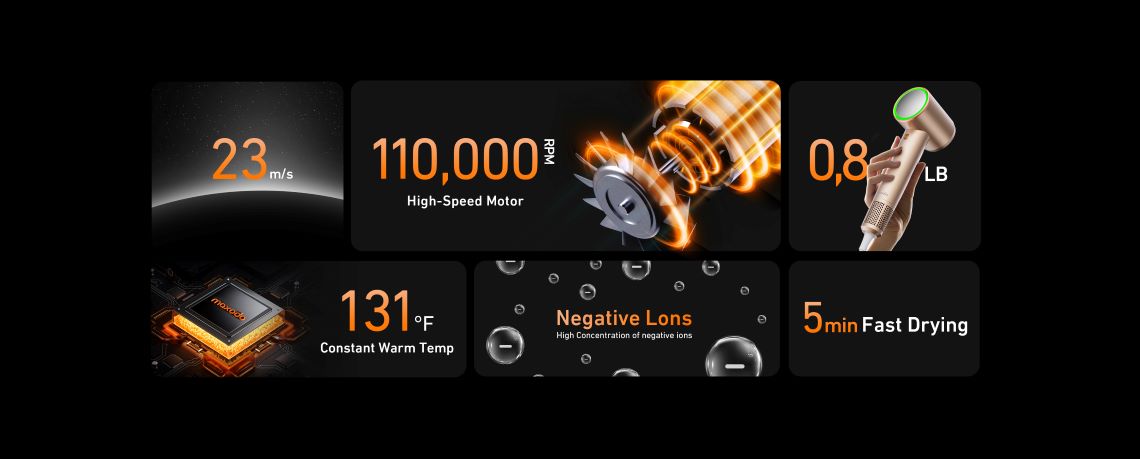
As part of the Maxodo R&D team, we know a dryer should be more than a fast-drying tool — it should be the foundation of your hair care routine.
Our Maxodo High-Speed Hair Dryer delivers:
1400W power with 110,000 RPM brushless motor for fast, even drying
200 million negative ions for moisture retention and frizz control
≤60dB noise level for quiet operation
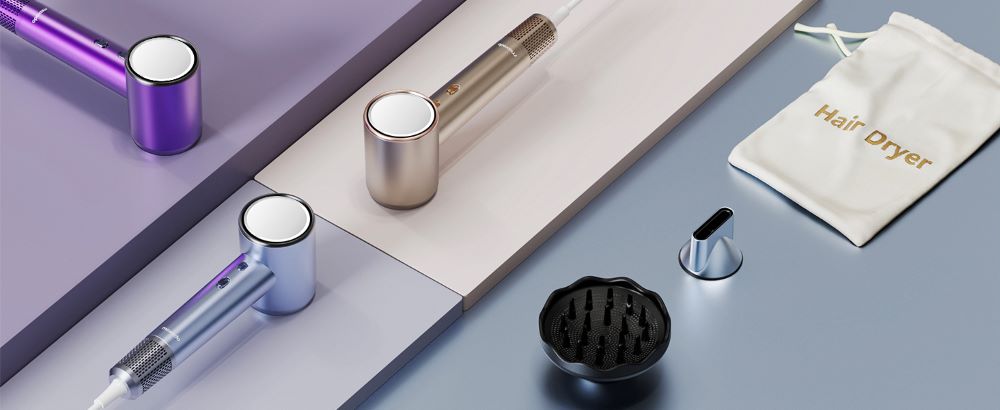
Diffuser & concentrator nozzles for all hair types
With Maxodo, every blow-dry is a gentle, efficient, and salon-quality experience.
8. Frequently Asked Questions
Q: Can I use a hair dryer every day without damage?
Yes, if you use low heat, ionic technology, and keep the dryer at a safe distance.
Q: Does cold air really help hair health?
Yes, it closes the cuticle, improves shine, and reduces static.
Q: Which is better — ceramic or tourmaline dryers?
Tourmaline dryers emit more negative ions, making them better for frizz-prone hair.
9. Conclusion — A Good Hair Dryer Makes Hair Care Easier
Hair health isn’t just about shampoos and conditioners — your hair dryer and technique play a decisive role. By choosing the right dryer for your hair type and following professional methods, you can reduce split ends, control frizz, and keep your hair looking naturally vibrant.
Remember: Blow-drying isn’t just about speed — it’s about protecting your hair’s structure while enhancing its natural beauty.

Ultimate Guide to Using a Hair Dryer with Nozzle for Styling
Discover the benefits of using a hair dryer with nozzle for faster drying, frizz reduction, and salon-quality styling at home.
Read More
The Benefits of Using a Hair Dryer with a Diffuser
Discover how a diffuser hair dryer reduces frizz, protects hair, defines curls, and adds volume for healthier, natural styling.
Read More
Ultimate Hair Dryer Guide for Every Life Scenario
Find the perfect hair dryer for travel, gym, salon, or home. Maxodo offers fast-dry, quiet, and versatile all-in-one solutions.
Read More